mendoza hotel
hoteles mendoza
mendoza argentina
mendoza turismo
tour mendoza
flauta flute
flautas flutes
quena kena
siku zampoña
shakuchachi
flute headjoint
flutes baroque
world flutes
flute world
mendoza viajes
transporte mendoza
argentina hoteleria
excursión mendoza
aconcagua
bodegas mendocinas
bodega
malbec
vino mendoza
fista vendimia
caminos del vino
puente del inca
mendoza hotelMendoza (5507)
Argentina
hoteles mendoza
mendoza argentina
mendoza turismo
tour mendoza
flauta flute
flautas flutes
quena kena
siku zampoña
shakuchachi
flute headjoint
flutes baroque
world flutes
flute world
mendoza viajes
transporte mendoza
argentina hoteleria
excursión mendoza
aconcagua
bodegas mendocinas
bodega
malbec
vino mendoza
fista vendimia
caminos del vino
puente del inca
Mendoza (5507)
Argentina
hoteles mendoza
mendoza argentina
mendoza turismo
tour mendoza
flauta flute
flautas flutes
quena kena
siku zampoña
shakuchachi
flute headjoint
flutes baroque
world flutes
flute world
mendoza viajes
transporte mendoza
argentina hoteleria
excursión mendoza
aconcagua
bodegas mendocinas
bodega
malbec
vino mendoza
fista vendimia
caminos del vino
puente del inca
mendoza hotelMendoza (5507)
Argentina
hoteles mendoza
mendoza argentina
mendoza turismo
tour mendoza
flauta flute
flautas flutes
quena kena
siku zampoña
shakuchachi
flute headjoint
flutes baroque
world flutes
flute world
mendoza viajes
transporte mendoza
argentina hoteleria
excursión mendoza
aconcagua
bodegas mendocinas
bodega
malbec
vino mendoza
fista vendimia
caminos del vino
puente del inca
Mendoza (5507)
Argentina
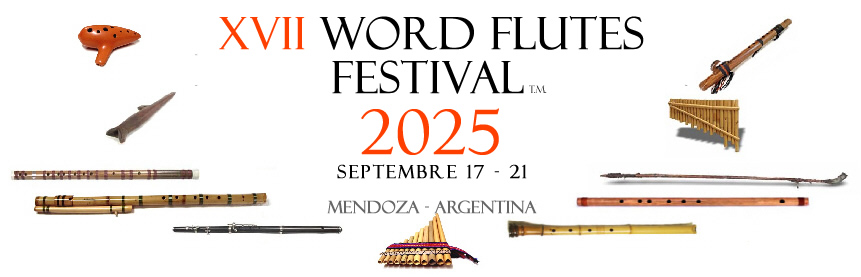
World Flutes Festival



we take care
of our
environment
of our
environment
flute world, world flutes, quena, quenas, flauta, flute, saxophone, saxofon, latinamerican music, folklore, moseño, moceno, tarka, siku, zampoñas, andean, andina, andes, world flutes, flutes, bansuri, shakuhachi, winds, hotel mendoza, mendoza hoteles, mendoza alojamiento, hostal mendoza, hotel, pablo salcedo, kaval,
Flute flutes native american flute flauta quena shakuhachi bansuri flute world flauta flute flute flauta flutes miyazawa sankyo flute pear flutes muramatsu flute drelinger head joint world music festival
Love Silence
Peace
Amuki
Compassion
Peace
Amuki
Compassion
LOVE THE WORLD
FOUNDATION
FOUNDATION


NEW !! YOGA FLUTE MEDITATIONS
Bloul
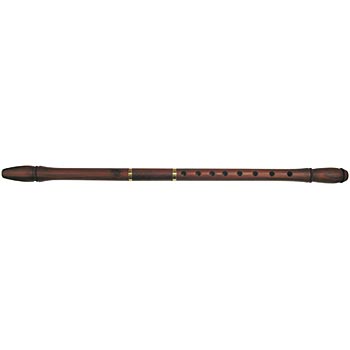
Just like the Duduk, the Bloul, also known as the Armenian Flute, is undoubtedly of Armenian origin. It was developed in Western Armenia by Kurdish and Armenian shepherds. The player holds the Bloul at an angle while blowing into half the mouthpiece, the result being a haunting, wind-like sound.
Just like the Duduk, the Bloul, also known as the Armenian Flute, is undoubtedly of Armenian origin. It was developed in Western Armenia by Kurdish and Armenian shepherds. The player holds the Bloul at an angle while blowing into half the mouthpiece, the result being a haunting, wind-like sound.
Shvi
The Shvi (pronounced sh-vee) which means whistle in Armenian, is a woodwind instrument used to play Armenian folk music. Typically the shvi is used for playing pastoral songs which were traditionally played by nomadic shepherds. Their songs "kept the rhythms of the day harmonizing the daily life for all through the dawn, noontime and dusk". The pastoral songs are played by a solo shvi and feature a series of musical segments, each of which has a meaning such as "Come here! Come here!" or "Listen! Listen!".
The Shvi (pronounced sh-vee) which means whistle in Armenian, is a woodwind instrument used to play Armenian folk music. Typically the shvi is used for playing pastoral songs which were traditionally played by nomadic shepherds. Their songs "kept the rhythms of the day harmonizing the daily life for all through the dawn, noontime and dusk". The pastoral songs are played by a solo shvi and feature a series of musical segments, each of which has a meaning such as "Come here! Come here!" or "Listen! Listen!".